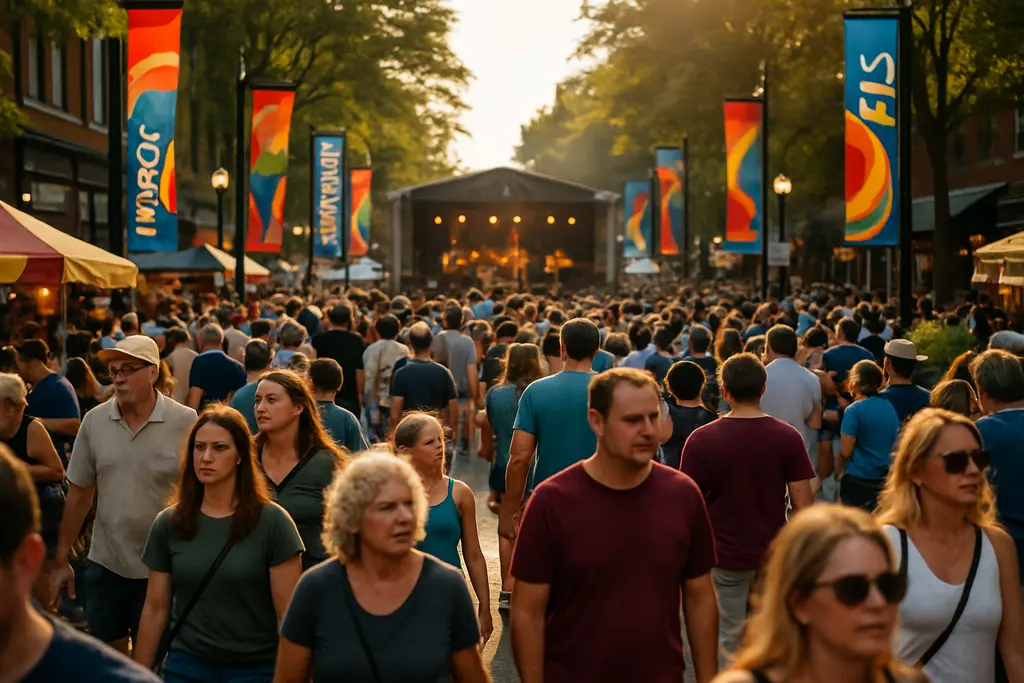
Musikfest 2026 ended with one of the strongest attendance results in the Bethlehem festival’s documented record. The event ran from July 31 through August 9, 2026, after a preview night on July 30, and ArtsQuest reported 1,260,630 attendees across the full run, making it the third-highest attended edition in the festival’s 43-year history, according to ArtsQuest’s recap. That figure deserves attention, but it also calls for careful reading: a large crowd total is not a single story. It reflects programming breadth, ticketed headliner appeal, free-stage access, weekday activity, weather conditions, visitor travel, and digital engagement.
As an events case study, the festival is useful because its scale was distributed across many entry points. The reported structure included more than 400 artists, more than 500 performances, and 16 stages, with 15 stages offering free admission and the Wind Creek Steel Stage at PNC Plaza operating as the ticketed headliner venue. That model allowed the event to function both as a citywide cultural gathering and as a marketable concert series with national names.
What Musikfest 2026 Attendance Shows
Musikfest 2026 By The Numbers
The attendance total of 1,260,630 was the headline statistic, but the internal pattern matters. ArtsQuest reported that Monday attendance was up 6.2% compared with the same day in 2025, while Tuesday exceeded the prior Musikfest Tuesday attendance record by 15.06%. Those weekday gains are notable because festivals often lean on weekend concentration. A strong Monday or Tuesday suggests that the program maintained public interest beyond peak leisure days.
The available figures also point to a broad attendance base rather than a single sold-out headliner doing all the work. The Steel Stage sold 52,890 tickets across its headliner shows. That number was meaningful, especially with sold-out concerts featuring Yellowcard & Taking Back Sunday and “Weird Al” Yankovic with special guest Puddles Pity Party. Still, the full festival attendance far exceeded the ticketed headliner count, which places the free-stage network at the center of the event’s public reach.
- Dates: July 31 through August 9, 2026, with a July 30 preview night.
- Total attendance: 1,260,630 across the 10 days plus preview.
- Programming scale: more than 400 artists and more than 500 performances.
- Venue structure: 16 stages, including 15 free-admission stages.
- Steel Stage tickets: 52,890 sold for headliner performances.
Weekday Strength And Weather Context
For Musikfest 2026, the reported weekday performance complicates any simple explanation that the festival’s result came only from one or two marquee concerts. Favorable weather and high activity across the grounds were cited in connection with the record-setting weekday results. At the same time, the festival still faced some weather challenges during its run. The cautious interpretation is that weather helped some days without fully determining the outcome.
That distinction matters for cultural producers. Outdoor festivals do not control climate conditions, and attendance comparisons across years can be shaped by rain, heat, artist scheduling, school calendars, travel patterns, and local habits. What can be said from the available reporting is narrower but still useful: the 2026 edition produced strong weekday turnout, record Tuesday performance, and a total attendance count that placed it near the top of the festival’s own historical record.
How The Artist Lineup Balanced Scale And Access
Ticketed Steel Stage Signals
The ticketed lineup gave the festival recognizable names across country, rock, pop, rap, and comedy. A Lehigh Valley Press preview listed acts including Russell Dickerson, Train, Third Eye Blind, T.I. with special guest DaBaby, John Mulaney, “Weird Al” Yankovic, Bailey Zimmerman, and Parker McCollum in the ticketed program at the Steel Stage, as reported by Lehigh Valley Press. That mix suggests a booking strategy aimed at several audience segments rather than a single genre identity.
The sold-out shows also show the advantage of pairing nostalgia, humor, and alternative rock communities with a large festival setting. Yellowcard & Taking Back Sunday carried strong recognition for listeners shaped by 2000s pop-punk and emo-adjacent rock. “Weird Al” Yankovic, with Puddles Pity Party as special guest, brought a different performance tradition grounded in parody, theatricality, and comedy. It would be too broad to claim these pairings alone drove the attendance record, but they help explain why the ticketed portion had visible momentum.
Free Stages And Regional Presence
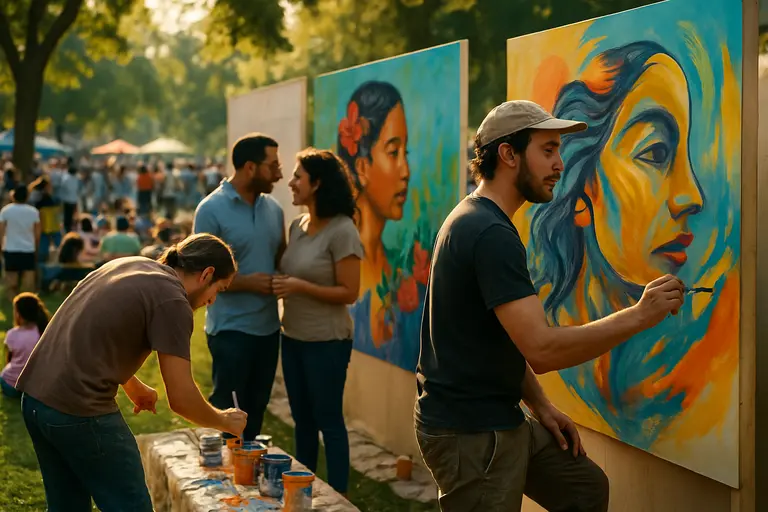
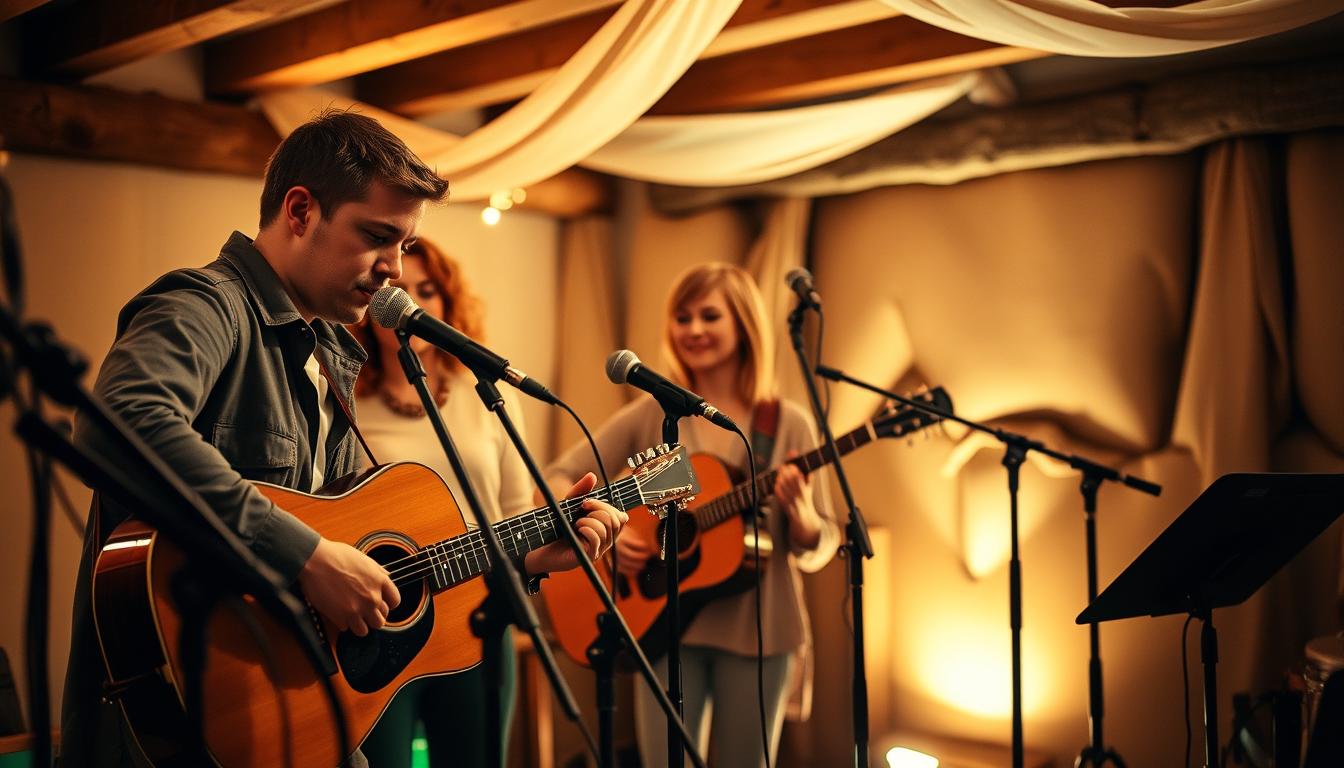
The free-stage program is just as important to the cultural reading. Local and regional acts named in the preview included Craig Thatcher, Trouble City All-Stars, GoGo Gadget, Erin Kelly Band, The Large Flowerheads, Flirtin’ With the Mob, and The Castaway Band. Their presence points to a festival design that did not treat community performance as a side note. In a city-based event, free access can change the social character of the grounds: people may come for dinner, meet neighbors, hear a regional act, and then encounter other performances without needing a ticket for every stage.
This is where attendance and artistic ecology meet. A headliner can sell a night; a multi-stage free program can sustain movement through plazas, streets, food areas, and smaller performance zones. For artists outside the national touring circuit, a high-traffic free stage can offer visibility within a trusted local frame. That does not allow us to infer artist earnings or long-term career effects from the available sources, but it does support a grounded view of the festival as more than its largest stage.
Digital Use And Visitor Reach
App Adoption As Engagement Evidence
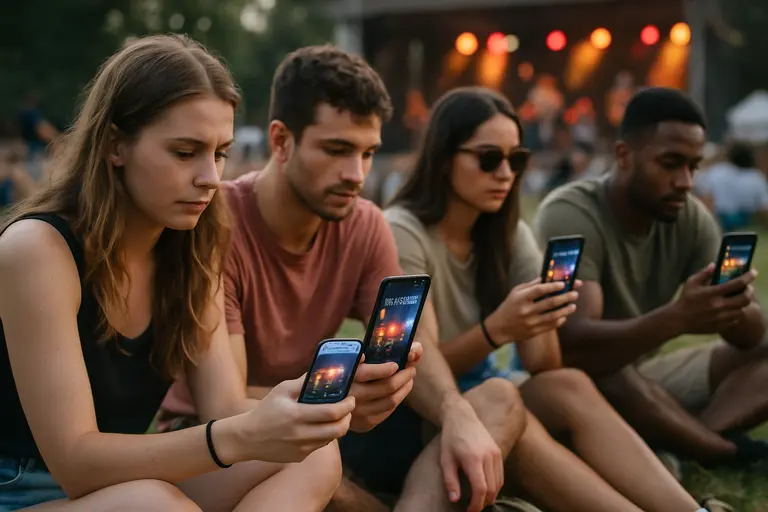
The digital record for Musikfest 2026 was also significant. ArtsQuest reported that 39,075 people used the Musikfest App powered by PNC, setting a record for the event. The previous app-usage high was passed by Wednesday of the festival, more than a week earlier than in 2025. App usage is not the same as attendance, and it should not be treated as a complete measure of satisfaction. Still, it can indicate how attendees planned schedules, checked stages, and interacted with the event’s official information channels.
For festivals with hundreds of performances, the schedule itself becomes part of the audience experience. The ability to locate stages, compare overlapping sets, and adjust plans can influence how much of the festival a visitor actually uses. A record app number fits with the broader picture of high engagement, but the evidence supports a restrained claim: many attendees used the official tool, and that usage reached a new reported peak.
Geographic Spread Of The Audience
Reported visitor origin data also widened the frame. Attendees came from 46 U.S. states plus Washington, DC, and from Canada, Portugal, and South Korea. Those figures do not tell us how many came from each place, so they should not be read as proof of even national distribution. They do show that the event drew beyond a purely local or regional footprint.
That reach matters for Bethlehem’s festival identity. A long-running music event can function as a local gathering while also attracting visitors who plan travel around specific artists, family traditions, or the reputation of the festival format. The presence of out-of-state and international visitors adds weight to the attendance story, though the research provided does not include hotel data, spending estimates, or demographic detail.
Community Signals From Musikfest 2026
What The Record Does And Does Not Prove
The clearest reading of Musikfest 2026 is that it combined scale, access, and recognizable programming in a way that produced exceptional turnout. The evidence supports specific claims: third-highest attendance in the festival’s history, record app use, sold-out headliner concerts, strong weekday numbers, and a large multi-stage artist roster. It does not support broader claims about permanent growth trends, artist income, or economic impact without further data.
Respect for artists and communities requires that distinction. Festival recaps can easily turn numbers into promotional language, but attendance is not the only measure of cultural value. A free regional performance, a comedy set, a legacy rock audience, and a family moving between stages can all be part of the same public event without being reducible to a single metric.
Why This Recap Matters For Cultural Producers
For event organizers, writers, independent sellers, and arts communities, the festival’s reported results offer a practical study in layered access. Ticketed headliners gave the event national visibility. Free stages expanded public participation. The app helped attendees manage choice. The weekday records suggest that the schedule held attention beyond the easiest days to draw crowds. For related arts-and-culture coverage across the same publishing network, readers can explore additional insights at Shimply, which provides a complementary perspective on creator culture and public events.
The stronger lesson is analytical rather than promotional: large festivals are built from many smaller decisions. Booking range, admission structure, stage distribution, weather resilience, official information tools, and local artist inclusion all shape the audience experience. The 2026 results show that Musikfest’s model remained highly effective during its July 30 preview and July 31 through August 9 run, while leaving room for more research on audience demographics, accessibility outcomes, artist experiences, and economic effects.